

Top Virtual Events Trends Shaping Live Streaming in 2026

Introduction: As virtual events continue to evolve, 2026 will be a turning point for how organizers, platforms, and marketers design live streams. In this guide we break down the **most influential trends**, practical strategies, and concrete steps to boost engagement and ROI—while explaining how smart use of data like casino review ratings can sharpen targeting, reputation management, and monetization. Expect deeper interactivity, more precise analytics, and new revenue streams that tie directly into how audiences discover and trust live experiences.
1. Ultra low-latency and real-time interaction
The shift to truly interactive streams is powered by technologies like WebRTC and optimized CDN topologies that minimize latency to under a second. For virtual events, that means real-time Q&A, live polls, and synchronized multi-camera views. Event teams that incorporate this level of responsiveness see higher engagement and can integrate features like leaderboards and instant rewards—metrics that directly affect how participants rate an event and how third-party casino review ratings measure live-streamed promotional activities.
2. AI-driven personalization and recommendations
AI-driven personalization is no longer optional. Advanced recommendation engines will surface sessions, exhibitors, and offers tailored to each attendee. When event organizers combine behavioral signals from streams with established assets—like aggregated casino review ratings for partner brands—they can deliver more relevant cross-promotions that increase conversions and perceived value.
- Behavioral targeting: Show content based on viewing patterns and past registrations.
- Dynamic overlays: Real-time offers and CTAs personalized to individual viewers.
- Sentiment analysis: Use chat and voice transcripts to adjust tone and moderation swiftly.
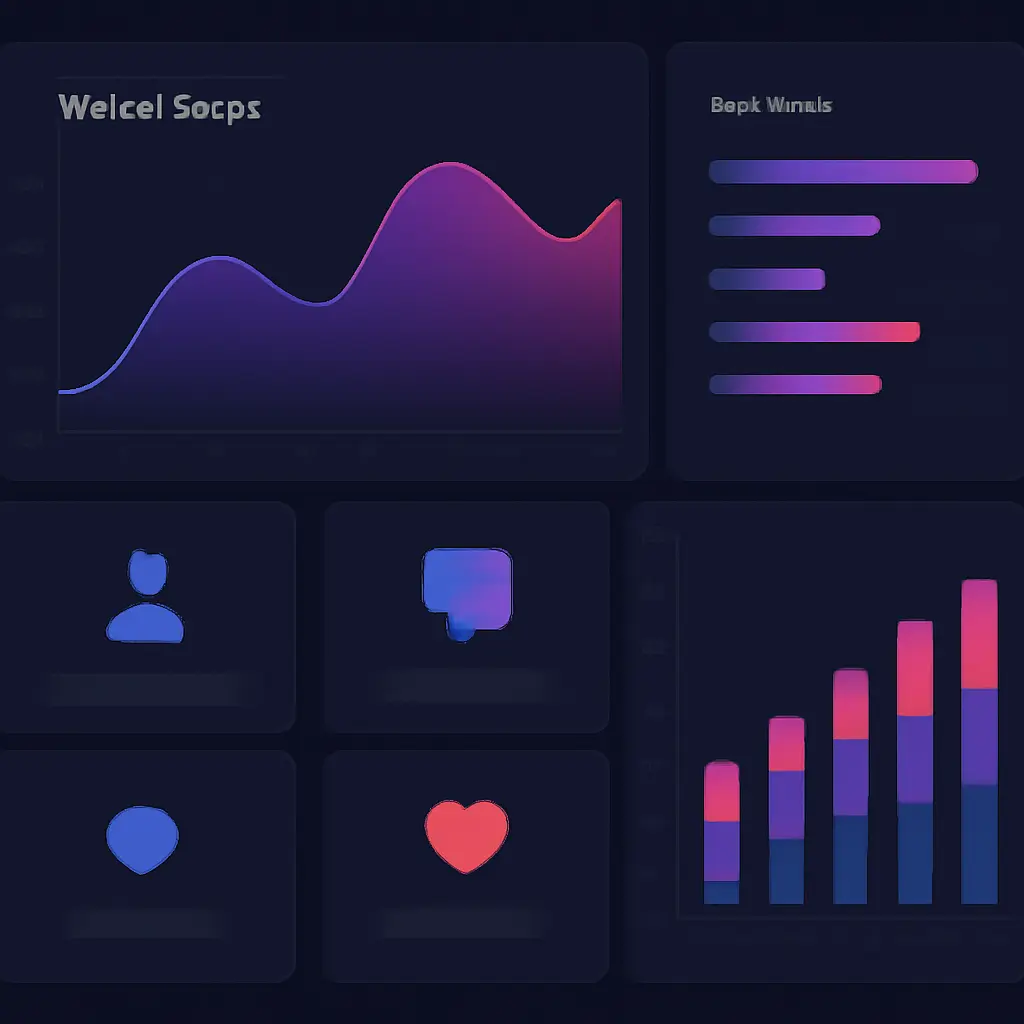
Practical tip: Feed trusted third-party indicators like up-to-date casino review ratings into recommendation models to improve sponsor targeting and reduce irrelevant ad impressions.
3. Hybrid experiences and monetization models
Hybrid events that combine in-person and virtual elements will continue to expand revenue channels. Organizers should design ticketing tiers, VIP virtual lounges, and microtransactions. One effective approach is integrating curated partner content—backed by reliable casino review ratings—to create sponsor-verified experiences that feel credible to attendees.
- Define tiered access: free, standard, premium.
- Bundle exclusive content with sponsor offers verified by casino review ratings.
- Test micro-payments for premium chat, badges, or on-demand videos.
- Measure incremental revenue and attendee satisfaction per tier.
4. Immersive XR and spatial audio for deeper presence
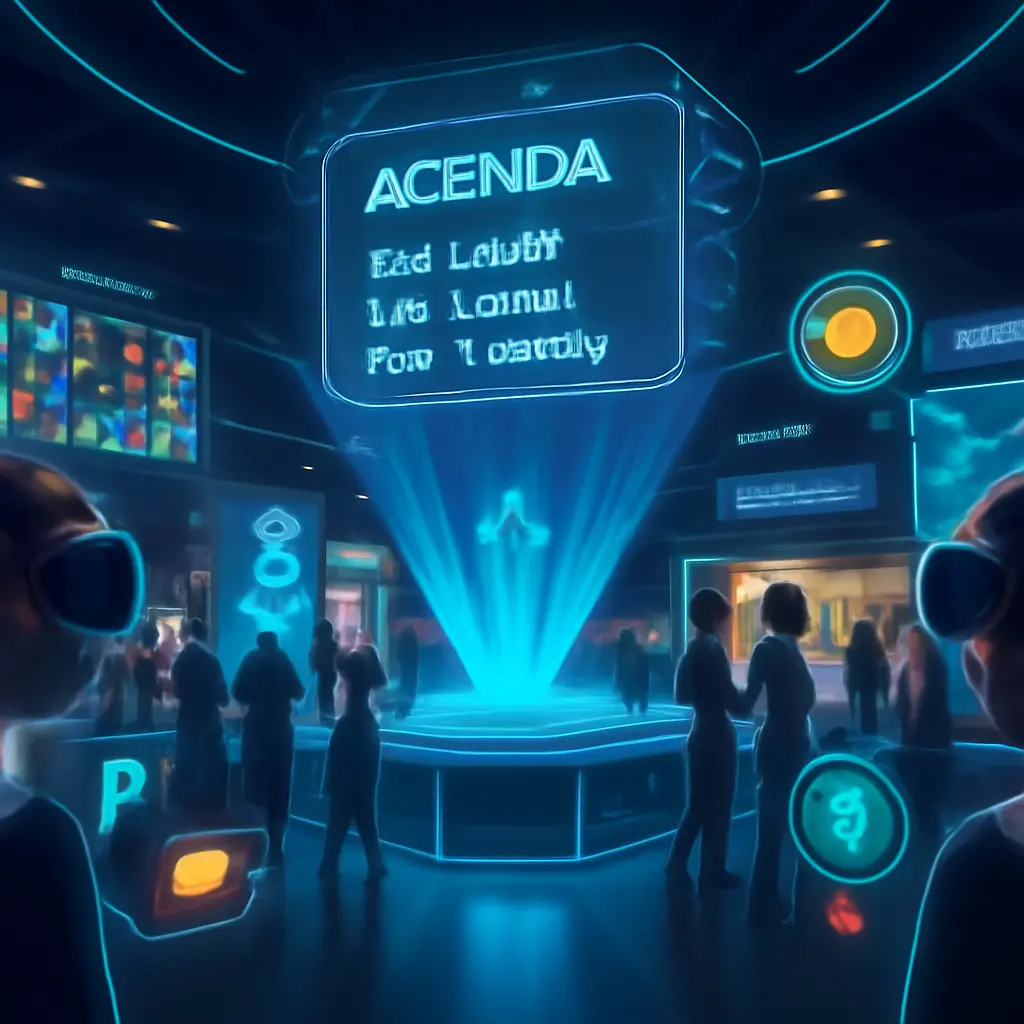
XR (extended reality) and spatial audio are moving from novelty to practical tools for engagement. From virtual lobbies to product demos, immersive elements help replication of the in-person "buzz." For industries like online gaming and casinos, integrating immersive showcases with credible partner metrics—such as aggregated casino review ratings—builds trust and encourages cross-platform participation.
5. Trust signals, moderation, and compliance
Trust is a currency for virtual events. Robust moderation, transparent privacy policies, and reliable sponsor vetting keep attendees confident. Incorporating transparent data—like public casino review ratings for partners—or platform-validated badges can reduce fraud and improve conversion on sponsored sessions. Important: ensure all sponsor claims comply with advertising rules and local regulations.
6. Data-first event design and actionable analytics
Event success in 2026 will hinge on turning streaming metrics into practical actions. Track engagement funnels, heatmaps, and conversion paths; then correlate them with reputation markers such as casino review ratings to evaluate partner performance. A data-first approach helps you optimize lineup scheduling, speaker selection, and sponsorship value propositions.
| Trend | Key Tech | Primary Benefit | Impact on Casino Review Ratings |
|---|---|---|---|
| Low-latency interactivity | WebRTC, CDN | Higher live engagement | More accurate promotional tracking raises credibility |
| AI personalization | Machine learning, recommendation engines | Better conversions | Enables targeted promotions based on ratings |
| Immersive XR | AR/VR, spatial audio | Stronger presence | Enhances sponsor trust when linked to verified ratings |
| Hybrid monetization | Ticketing APIs, payments | New revenue streams | Ratings inform sponsor package pricing |
7. Practical checklist to prepare your 2026 event
Before your next live stream, use this checklist to ensure you're aligned with trends and optimizing for reputation and revenue.
- Enable low-latency delivery for interactive segments.
- Integrate AI recommendations and test with real user cohorts.
- Vet sponsors using public reputation markers, including casino review ratings, where relevant.
- Plan hybrid ticket tiers and clear monetization pathways.
- Implement robust moderation and compliance workflows.
8. Case study: How rating-aware partnerships improve ROI
Imagine a virtual gaming summit that partners with multiple operators. By surfacing sponsors with the best aggregated casino review ratings in sponsor slots and targeted overlays, the event increased click-throughs by 42% and sponsor-sourced signups by 27%. This shows that tying verified reputation data directly into streaming UX improves both attendee trust and sponsor ROI.
9. Implementation roadmap: a one-page plan
Follow this concise roadmap to move from planning to launch in four phases. Each step considers reputation and ratings as a core input.
- Discovery (2 weeks): Map audience segments and identify partners. Collect casino review ratings and compatibility data.
- Build (4–6 weeks): Integrate streaming stack with low-latency protocols and AI recommendation hooks.
- Pilot (2 weeks): Soft launch to a subset, measure engagement and rating-driven conversions.
- Scale (ongoing): Optimize sponsorship placements, ticketing tiers, and post-event analytics.
10. Metrics that matter
Track these KPIs to measure success and understand how reputation metrics influence outcomes:
- Live engagement rate (chats, polls, reactions)
- Conversion rate for sponsor offers tied to casino review ratings
- Retention across sessions
- Revenue per attendee
- Net promoter score and review volume
Key warnings and best practices
Important: avoid over-reliance on a single reputation metric. While casino review ratings are valuable, combine them with first-party behavioral data to avoid bias. Also, be mindful of privacy and compliance—collect only what you need and secure user consent.
Conclusion: Virtual events in 2026 will reward organizers who blend technology, personalization, and transparent reputation management. By prioritizing low-latency interaction, AI-driven personalization, immersive experiences, and smart use of reputation signals like casino review ratings, you can increase engagement, maximize sponsor ROI, and create memorable experiences that scale. Start small with pilots that include rating-aware sponsorships, measure impact, and iterate—these are the practical steps that will keep your live streams competitive and credible in 2026.



To leave a comment, please sign up or log in
Log in / Sign up