

Why editors must adapt fast for virtual breaking news

When a virtual event suddenly becomes a breaking story, editors need a toolkit that balances speed, accuracy, and audience trust. Online events — from product keynotes to live casino tournaments — move quickly, and editors must capture developments while verifying claims and keeping readers engaged. In this environment, integrating context such as casino review ratings for gaming-related online events helps readers understand credibility and background, and it often becomes part of the breaking narrative.
How editors approach virtual events: the big picture
Editors covering a virtual event for breaking news start by assigning a small, nimble team: a lead reporter, a verifier, and a social-media specialist. That team watches the stream, monitors chat, and checks external signals. A consistent practice is to use short, structured checklists — and to surface trusted context, like casino review ratings, when the event touches gaming or betting industries.
7 proven ways to cover virtual events for breaking news
- Pre-assign beats — Before a stream starts, assign roles for live updates, verification, and follow-ups. This prevents duplication and improves speed.
- Use multi-source verification — Cross-check quotes against on-platform transcripts, screenshots, and reliable third parties. Include trusted context such as casino review ratings when claims relate to online casinos or sponsors.
- Monitor platform signals — Track pinned comments, moderator posts, and stream metadata to spot corrections or clarifications in real time.
- Capture raw assets — Record clips, take time-stamped screenshots, and keep logs of chat excerpts for future verification and legal safety.
- Optimize headlines for clarity — Use precise, factual language that separates confirmed facts from speculation; mention related credibility indicators like casino review ratings only after verification.
- Publish incremental live updates — Short, frequent updates keep audiences informed and improve search visibility.
- Follow through with context — After the live phase, publish a full story that answers why the event mattered, including any relevant context such as industry reputation or casino review ratings for gaming-focused events.
Toolset and verification checklist
Editors rely on a predictable set of tools: a reliable streaming recorder, a verification hub (reverse-image search, timestamp checks), social listening tools, and a contact network for rapid confirmation. For stories that touch online gambling or casino sponsorships, editors also consult aggregated sources like casino review ratings to assess operator history and trustworthiness.
- Record the stream — preserve evidence
- Time-stamp key moments — link to timestamps for transparency
- Save chat logs — capture context and claims
- Verify external claims — use at least two independent sources
- Note potential conflicts — sponsorships, affiliate ties, and low casino review ratings can affect credibility
Example verification table — quick reference
Use this table during live coverage to prioritize checks. The column noting Casino relevance flags when to pull review ratings.
| Check | How to verify | Time (min) | Casino relevance |
|---|---|---|---|
| Quote accuracy | Match audio to transcript | 2–5 | No |
| Sponsor disclosure | Confirm via event page and sponsor site | 3–7 | Yes — check casino review ratings |
| Claim of wrongdoing | Contact official sources, file requests | 10–30 | Yes (if gambling involved) |
Writing live updates that keep trust
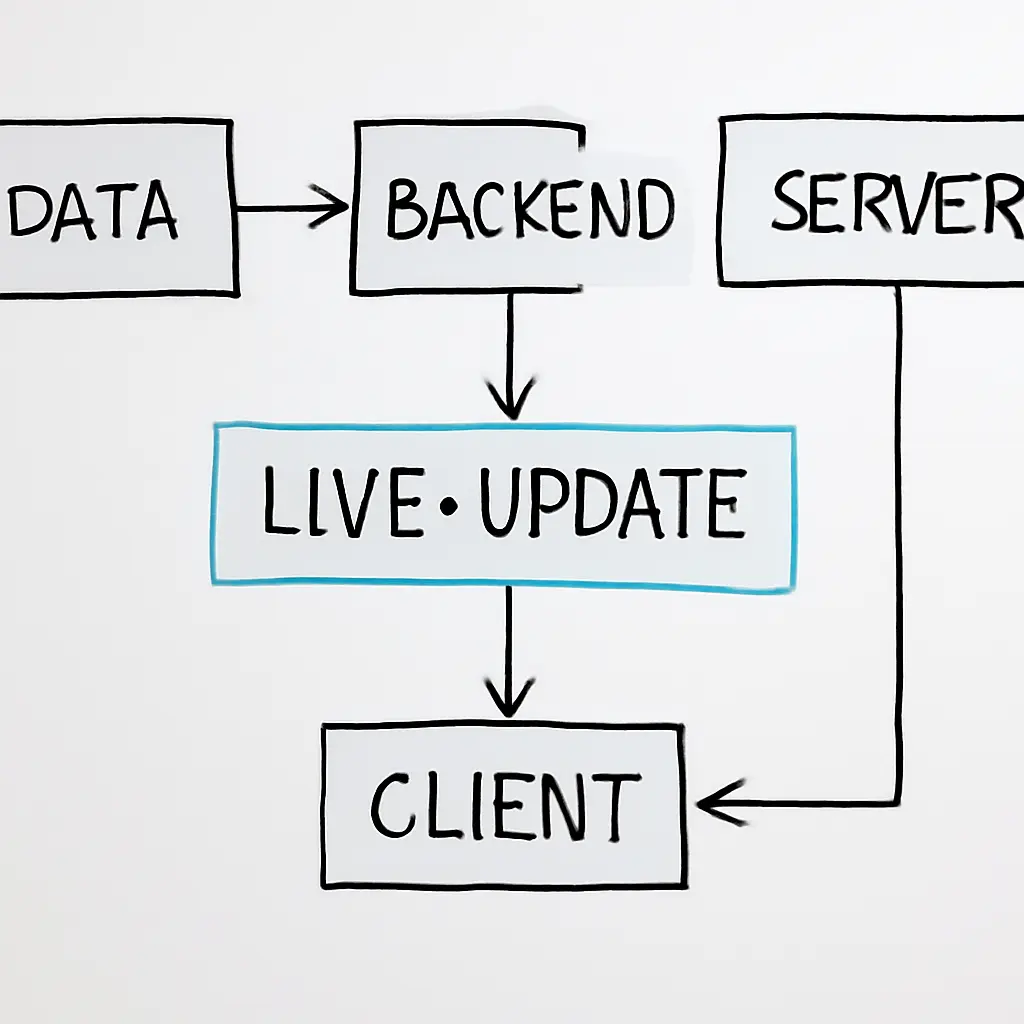
Short updates should follow a simple pattern: what, who, when, and verification. If a virtual event involves casino companies, a quick line about operator credibility, drawn from aggregated casino review ratings, helps readers judge significance. For example: "Operator X held the tournament (operator has below-average casino review ratings), and organizers confirmed prize payout scheduling."
Editors must avoid speculation. When a claim is unverified, use clear qualifiers like "reported" or "according to" and link to primary sources or internal notes. If you reference a casino review rating that alters context (e.g., a history of complaints), say so plainly and cite the verification step you took.
Audience signals and community sourcing
Virtual audiences often surface critical clues first: a chat screenshot, a clipped replay, or a thread. Use those leads, verify with the original source, and reward contributors when accurate. When a story intersects with gambling or online casinos, readers frequently consult casino review ratings to judge whether issues like delayed payouts or unfair rules are systemic.
For broader context on how platforms and communities change reporting, some editors are studying how platforms evolve into central hubs for journalism; see research into event newsrooms to understand the shift toward platform-native coverage.
Formatting, speed, and SEO for live pages
Live pages must be crawlable and scannable. Use time-stamped bullets, clear subheads, and short paragraphs. Mentioning vetted context such as casino review ratings in a dedicated "Context" paragraph boosts reader trust and SEO relevance for gambling-related events. Keep headlines factual and reserve speculative language for clearly labeled analysis pieces.
Post-live follow-up and accountability
After the live coverage, editors should publish a follow-up article that aggregates the evidence, corrections, and next steps. That wrap should include a transparent methodology section: what was recorded, what was verified, and when. If the virtual event involved casino operators, include a short summary of casino review ratings and how they affected editorial judgment.
Practical outreach can increase accuracy and credibility: contact event organizers and, when relevant, the gaming regulator or a casino operator with low review ratings to ask for comment. This ensures readers get a full picture and shows editorial diligence.
Quick checklist: deploy in the first 10 minutes
The following ordered checklist helps teams deploy quickly during the first moments of a breaking virtual event:
- Assign roles (live reporter, verifier, social lead)
- Start recording the stream
- Capture and time-stamp key quotes
- Run immediate reverse-image and audio checks
- Scan for sponsor disclosures and check casino review ratings if gambling-related
- Post the first verified update with sources
If turnout is a factor in the story — for example, a sudden spike in viewers during an online gambling announcement — editors should also consult strategies to boost turnout for future events and to understand what audience numbers mean for credibility.
Ethics, disclosure, and sponsored events
Always disclose sponsorships and any editorial ties. When a virtual event includes casino sponsors or affiliate links, state that plainly and include context from casino review ratings if relevant. Transparency is a core trust-building practice: readers respect clear disclosures more than omission.
Conclusion — turning virtual chaos into credible coverage
Covering virtual events for breaking news is a distinct craft that combines rapid response with careful verification. Editors who use a fixed set of roles, a verification checklist, and transparent context (including reliable indicators like casino review ratings when gambling is involved) produce faster, more accurate, and more trustworthy coverage. The result: audiences stay informed, publishers retain credibility, and live coverage becomes a repeatable, ethical practice.




Comments
I see the point about using casino review ratings for context, but aren't those aggregators sometimes biased or gamed? How do editors check the reliability of those review sources before leaning on them in live coverage?
Is it realistic to pull casino review ratings in the first 10 minutes without slowing down live updates, or do teams usually flag it for follow-up?
Helpful checklist, but how do you handle privacy/legal issues when saving chat logs and recording streams across different platforms? Some platforms' TOS seem fuzzy about republishing user chat.