
Why virtual conferences stumble—and what to fix now

Virtual events promised a revolution, but many organizers are watching attendance drop, engagement rates stall, and sponsors question ROI. At NewsSanctuary we track trends across online events and have noticed a recurring theme: organizers overlook proven attention mechanics that drive participation. Interestingly, many of those mechanics align with what works in entirely different industries — for example, lessons embedded in casino review ratings about trust, incentives, and clear signals of value.
What’s failing: the core problems
Before prescribing fixes, we need to be blunt about failures. Most virtual conferences fail because they lack compelling reasons for attendees to stay, return, and pay. Common issues include technical friction, shallow networking, one-way content, and poor monetization models. Even top platforms can suffer when organizers ignore the user psychology that underpins engagement — the same psychology that influences how people interpret casino review ratings when they choose a site.
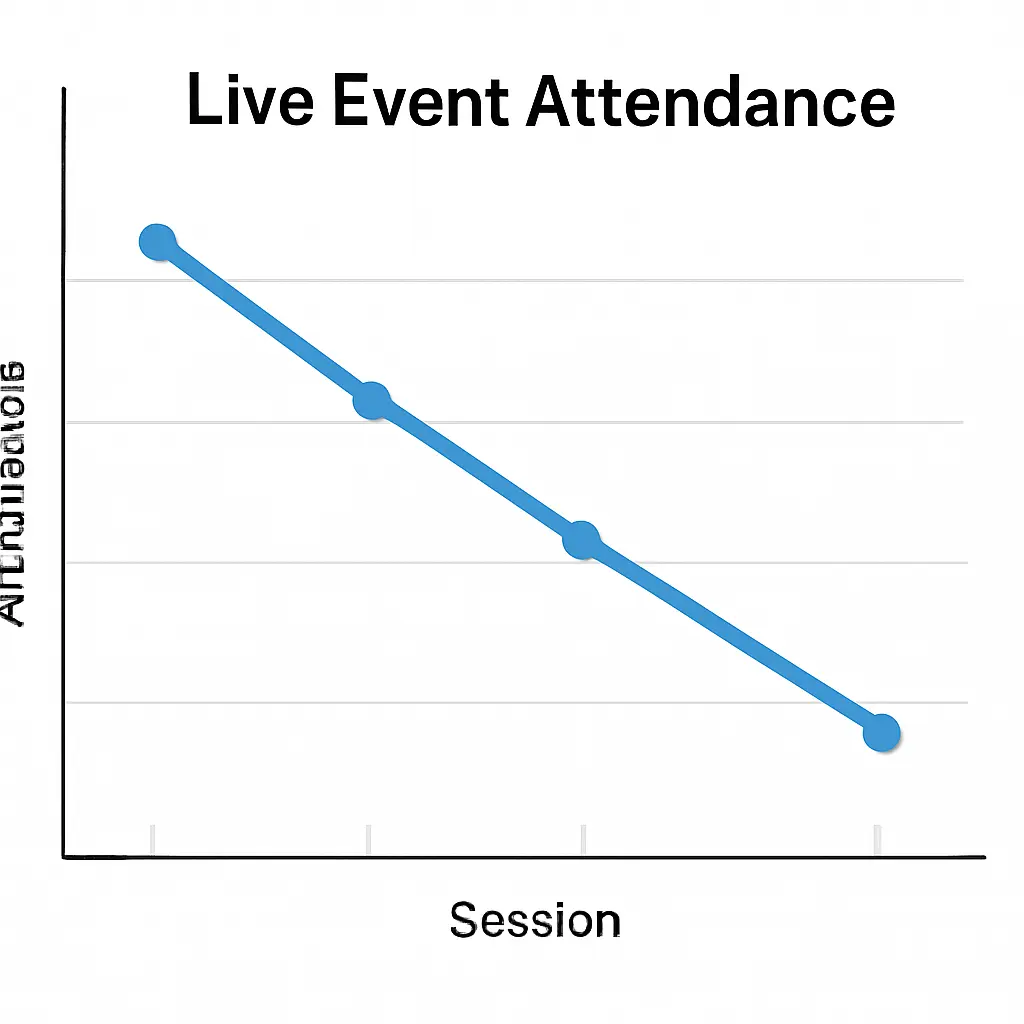
Technical problems are obvious, but the subtle misses are social design and signal clarity. In casino reviews, clear ratings and transparent bonuses help users choose confidently. Virtual events often lack equivalent signals — no clear reason to join, no visible quality indicators, and no fast feedback loops. That absence erodes trust and lowers perceived value.
How casino review ratings inform event design
There’s a surprising amount event organizers can learn from how casino review ratings are structured. Reviews typically combine objective metrics (e.g., payout speed, license) with subjective user feedback and digestible summary scores. This creates rapid decision signals for potential customers. Virtual conference pages should do the same: present clear quality indicators, attendee testimonials, speaker credibility, and an easy-to-scan score or badge that communicates value quickly.
Practical fixes organizers must implement
Below are targeted, actionable changes you can make in the next planning cycle. Each step ties back to increasing attendance, strengthening networking, and boosting sponsor ROI — the same outcomes that reliable casino review ratings help achieve for gambling sites.
1. Create trust with transparent signals
Implement a simple scoring or badge system on your event pages. Highlight metrics like average session attendance, speaker response rate, and sponsor satisfaction. These are your event’s equivalent of casino review ratings — short, trusted cues that reduce friction in registration decisions.
2. Design for bite-sized attention
Long streams and passive lectures are fragile. Break content into micro-sessions, incorporate live polls and quizzes, and reward participation with digital tokens or access to exclusive content. Gamification should feel useful, not gimmicky — think reward tiers similar to how good casinos use loyalty frameworks that appear in many casino review ratings.
3. Make networking intentional
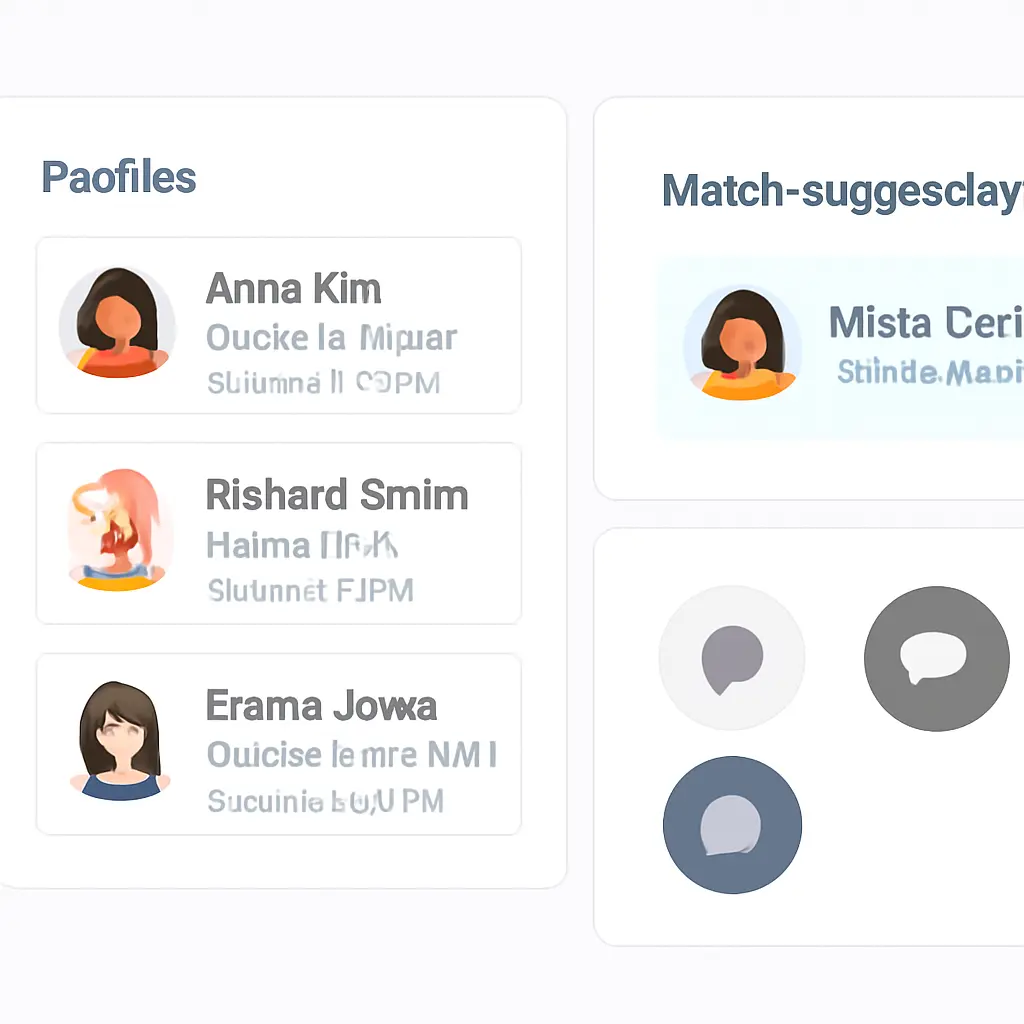
Random virtual rooms don’t create relationships. Build structured, timed networking formats: speed-meetings, topic-matched lounges, and host-moderated roundtables. Use attendee data to suggest matches and display small, trust-building signals on profiles — similar to how casino review ratings show credibility signals for operators and promote confidence.
Quick wins (checklist)
- Badge system: Add visible event credibility markers
- Micro-sessions: Release content in short, focused bursts
- Incentivized actions: Reward engagement immediately
- Curated networking: Match attendees by interest
- Transparent metrics: Display past attendance and satisfaction
Technical and UX improvements
Don’t underestimate platform performance. Slow video, confusing UIs, and heavy authentication flows kill momentum. Use progressive disclosure: ask for minimal info at registration and reveal perks gradually, which mirrors how casino review ratings highlight initial safety features before deeper bonus terms, creating a comfortable onboarding experience.
| Issue | Typical Impact | Fix & Metric |
|---|---|---|
| Poor onboarding | Drop-off during signup | Reduce fields; measure completion rate |
| Passive sessions | Low engagement | Micro-sessions + polls; track minutes watched |
| Weak networking | Low retention | Structured matchmaking; measure follow-ups |
| Unclear value | Low ticket sales | Show badges & metrics; measure conversion rate |
Measurement plan: what to track
Set clear KPIs and a regular reporting cadence. Essential metrics include average session attendance, live participation rate, networking connections made, content replay views, and sponsor lead count. Track these consistently and display summary statistics publicly — this transparency mirrors the role of casino review ratings and builds long-term trust.
Step-by-step rollout (priority actions)
Prioritize low-cost, high-return changes first. The following ordered list gives a one-month sprint plan any organizer can adopt.
- Implement a visible trust badge and essential metrics on the event landing page.
- Switch to 20–30 minute micro-sessions and schedule interactive segments.
- Build a matchmaking flow for networking and schedule moderated sessions.
- Introduce immediate rewards for participation and a digital follow-up package.
- Establish a KPI dashboard and publish a post-event summary with metrics.
After these steps, re-evaluate sponsor packages. Sponsors want clear attribution and leads — publish sponsor metrics that look as credible and concise as high-quality casino review ratings. Provide sponsor dashboards with lead quality scores and attendee demographic breakdowns so they can judge ROI quickly.
Case study: a small pivot, big gains
A mid-sized event implemented a badge system and switched to micro-sessions. Within two cycles they reported a 35% increase in live participation and a 22% boost in sponsor leads. They emphasized transparent metrics on the event page — the same clarity found in trustworthy casino review ratings — and attendees responded faster and with more intent.
Common pitfalls and warnings
Be careful with gamification and badges. Poorly designed incentives can backfire, encouraging low-quality interactions. Also avoid overwhelming attendees with too many badges or metrics — simplicity is a virtue. As a rule, display only the most relevant three indicators, similar to how top casino review ratings present the most meaningful scores first.
Long-term strategy: build an ecosystem
Short-term fixes will help, but sustainable success requires an ecosystem: ongoing content, community channels, repeatable formats, and trust signals that accumulate over time. Think of each event as a chapter in a series that builds credible history — an approach mirroring how aggregate casino review ratings evolve with each review and user interaction.
Conclusion: align signals, incentives, and trust
Virtual conferences fail when organizers neglect the trifecta of clear signals, strong incentives, and low friction. Borrow the discipline of trusted rating systems — like effective casino review ratings — to communicate quality quickly, reward participation, and create predictable value for sponsors and attendees. With a focused sprint and consistent measurement, organizers can rebuild engagement, increase networking quality, and deliver measurable ROI.
Start by publishing transparent metrics, redesigning content into micro-experiences, and constructing deliberate networking pathways. These steps will make your next virtual event feel intentional, trusted, and worth the attendee’s time — and that’s how you stop failing and start scaling.





To leave a comment, please sign up or log in
Log in / Sign up