
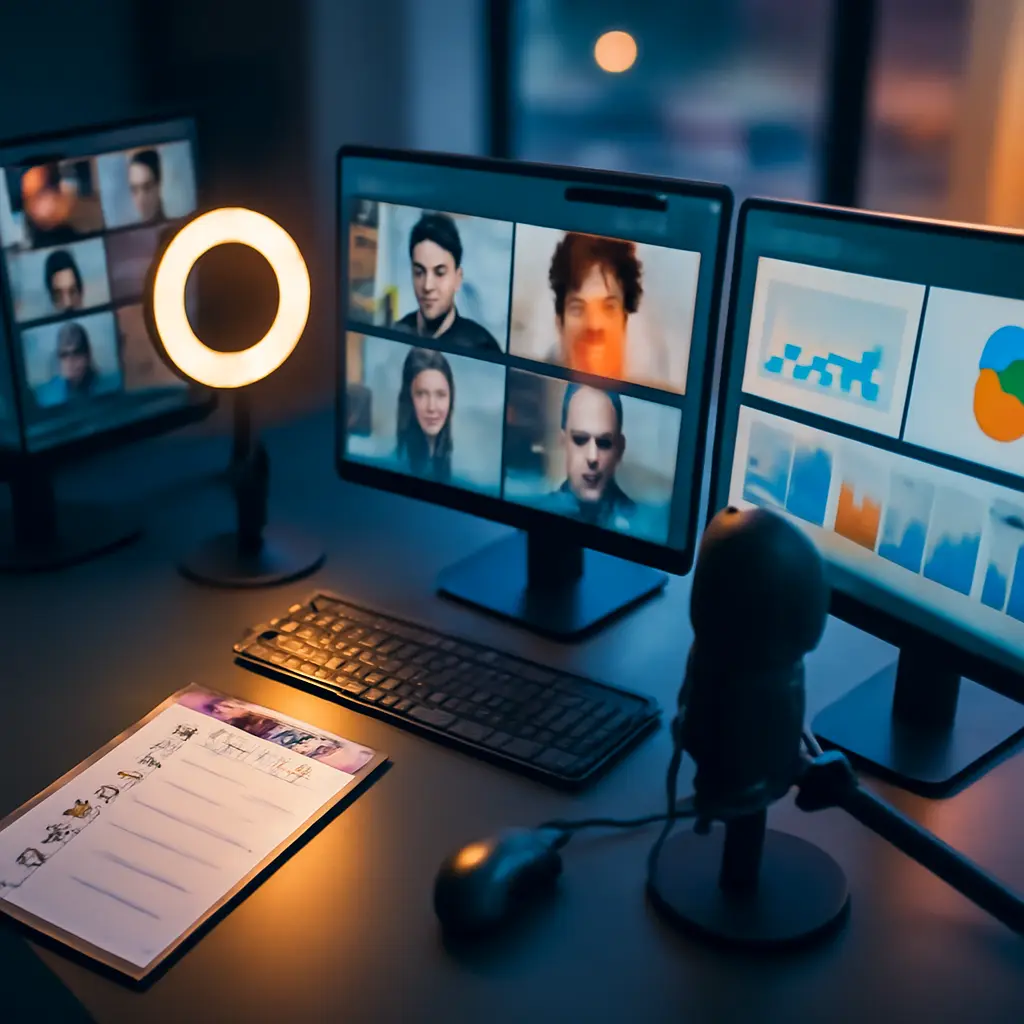
Why a Virtual Event Coverage Checklist Matters Right Now
The landscape of online events has shifted dramatically over the past few years, and 2026 is proving to be the most competitive season yet. Whether you run a news website about various online events or you manage coverage for a brand, having a reliable checklist is no longer optional. Audiences expect polished, real-time reporting, and the gap between amateur coverage and professional-grade output has never been wider.
At NewsSanctuary, we track every major development in the virtual event space, from product launches and industry summits to niche gatherings in sectors like iGaming where casino review ratings drive massive viewer interest. The truth is, the same principles that make a casino review trustworthy—transparency, structured evaluation, and consistent scoring—apply directly to how you should plan and execute virtual event coverage. This checklist is your roadmap to getting it right every time.
If you have been following this year, you already know that audience expectations are rising. Viewers now compare event broadcasts the way they compare casino review ratings on aggregator sites—they look at production value, reliability, content depth, and overall experience before deciding where to spend their attention. A structured checklist ensures you meet that bar consistently.
Pre-Event Planning: Laying the Groundwork
Define Your Coverage Objectives
Before a single camera goes live, you need crystal-clear goals. Are you covering the event for breaking news? Building long-form editorial content? Generating social clips? Each objective changes how you allocate resources. The best coverage teams borrow a page from how casino review platforms operate: they define their evaluation criteria before they start reviewing, so every output follows the same quality standard.
Start by answering these foundational questions:
- What is the primary audience for your coverage, and which platforms will they consume it on?
- How many simultaneous sessions or tracks does the event feature?
- What is your publishing cadence—real-time updates, daily recaps, or post-event analysis?
- Which key moments or speakers are non-negotiable for your coverage?
- Do you need to coordinate with sponsors or partners who expect branded mentions?
Documenting these answers early prevents the chaos that derails most coverage efforts. Think of it as building a scorecard—much like the structured rating systems used in casino review ratings, where every element gets evaluated against a predetermined set of criteria rather than ad hoc impressions.
Assemble and Test Your Technology Stack
Your tech stack can make or break virtual event coverage. In 2026, the baseline expectations include low-latency streaming capture, real-time transcription tools, and multi-platform publishing pipelines. Relying on a single tool is risky, so build redundancy into every layer.
Here is a recommended technology checklist for comprehensive coverage:
- Stream capture software capable of recording multiple tracks simultaneously
- Cloud-based transcription with speaker identification for rapid quote extraction
- Social media scheduling tools pre-loaded with event hashtags and templates
- A shared editorial dashboard where your team can flag highlights in real time
- Backup internet connection and secondary streaming device
- Screen recording tool for capturing presentations, panels, and demos
Test every tool at least 48 hours before the event. Run a full dress rehearsal that mirrors actual event conditions. Many seasoned producers in the online casino events space—where live coverage of product launches and casino review ratings reveals often happens on tight schedules—swear by the "double-check everything twice" philosophy. Hardware failures and software glitches are inevitable, but preparedness determines whether they become disasters or footnotes.
Build Your Editorial Briefing Document
A strong briefing document aligns your entire team around shared expectations. It should include the event agenda, a list of priority sessions, speaker bios, background research, and any relevant industry context. For events that intersect with the iGaming world, including up-to-date casino review ratings and recent platform comparisons gives your writers the context they need to produce informed commentary rather than surface-level summaries.

Your briefing should also flag potential story angles. The most compelling virtual event coverage doesn't just report what happened—it contextualizes it. If a keynote speaker announces a new platform feature, your team should already know how that compares to competitors, similar to how a thorough casino review doesn't just list features but ranks them against established benchmarks and industry rating standards.
Production Day: Executing Flawless Live Coverage
Real-Time Monitoring and Quality Control
When the event goes live, your checklist shifts from preparation to execution. Assign specific roles to each team member: one person monitors the stream feed for technical issues, another tracks social media sentiment, and your lead editor coordinates publishing priorities. Role clarity eliminates the "I thought someone else was handling that" problem that plagues understaffed teams.
Quality control during live coverage mirrors the principles behind credible casino review ratings—consistency and accuracy are non-negotiable. Every published update should go through at least a quick editorial pass. A single factual error in a live update can undermine hours of solid work. Use a shared channel where team members can flag corrections instantly.
The following table outlines the key roles and responsibilities for a typical virtual event coverage team:
| Role | Primary Responsibility | Tools Used | Output |
|---|---|---|---|
| Stream Monitor | Watch live feeds for technical issues and key moments | OBS, stream platform dashboard | Timestamped highlight log |
| Live Writer | Draft and publish real-time updates | CMS, transcription tool | Published articles and posts |
| Social Editor | Create and schedule social media content | Scheduling platform, graphic tools | Social posts and clips |
| Fact Checker | Verify claims, statistics, and quotes before publication | Research databases, source documents | Accuracy confirmations |
| Lead Editor | Coordinate priorities and approve final content | Editorial dashboard, communication tools | Editorial direction and approvals |
This structure scales well. Smaller teams can combine roles, while larger operations can duplicate positions across multiple event tracks. The principle stays the same: every output gets reviewed before it reaches the audience, exactly like a reputable casino review site that uses multi-layer editorial review before publishing ratings.
Audience Engagement Tracking
Coverage isn't just about publishing—it's about resonating. Track engagement metrics in real time so you can adjust your strategy mid-event. If a particular session generates unexpected buzz, shift resources to deepen that coverage. If a planned focus area falls flat, reallocate accordingly.
Key metrics to monitor during live coverage include:
- Page views and unique visitors per published update
- Social media shares and comment volume per post
- Time on page for long-form content pieces
- Click-through rates on embedded links and related content
- Audience sentiment as measured through comment analysis
The iGaming sector has been particularly sophisticated in this area. Platforms that publish casino review ratings have refined real-time engagement tracking to an art form, A/B testing headlines, adjusting content order based on reader behavior, and personalizing recommendations on the fly. Virtual event coverage teams can adopt these same techniques to maximize the reach and impact of every piece they publish.
Post-Event Follow-Up: Turning Coverage into Lasting Value
Content Repurposing Strategy
The event may be over, but your coverage shouldn't stop when the stream ends. Post-event content often generates more long-term traffic than live updates because it serves audiences who couldn't attend in real time and those searching for recaps and analysis weeks later.
Effective repurposing starts with your raw materials. Transcripts become blog posts. Highlight clips become social media content. Speaker quotes become graphic cards. Panel discussions become podcast episodes. The same recorded session can yield five or more distinct content assets if you approach it with a repurposing mindset.
This strategy is well-understood in the casino review ratings ecosystem, where a single platform evaluation often produces a detailed written review, a video walkthrough, comparison tables, and social media snippets—all from one research session. Apply that same efficiency to your event coverage, and you multiply your return on every hour invested during the live event. For more practical guidance on reaching audiences after the event wraps, consider exploring strategies to that work well for follow-up campaigns.
Metrics, Reporting, and Lessons Learned
Within 72 hours of the event ending, compile a comprehensive performance report. This document should cover quantitative metrics like traffic, engagement, and conversion alongside qualitative assessments of what worked and what didn't.
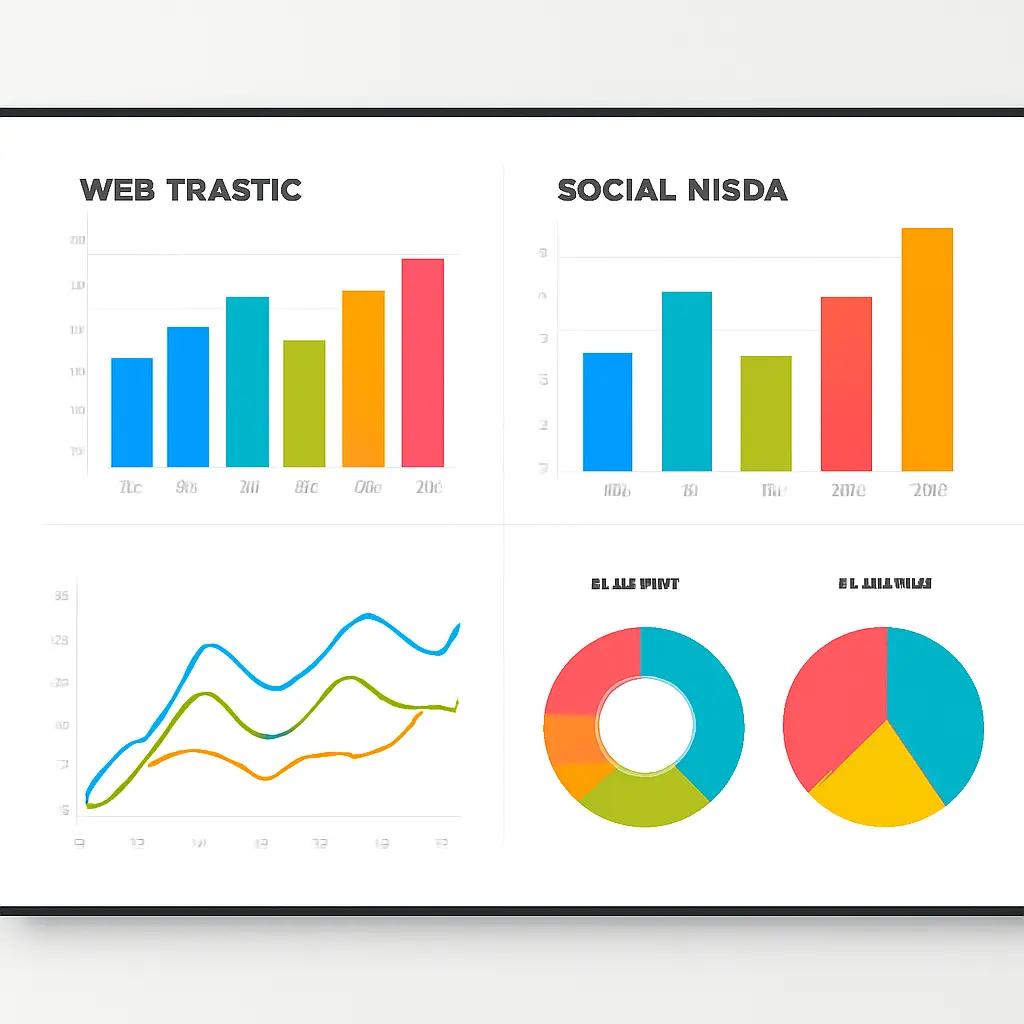
Your post-event report should answer these core questions:
- Which content pieces generated the highest traffic and engagement?
- Where did your coverage outperform competitors, and where did it fall short?
- Were there technical issues that impacted quality, and how can they be prevented next time?
- Did your pre-event briefing document accurately predict the most newsworthy moments?
- What feedback did your audience provide through comments, surveys, or direct messages?
Rate your own performance honestly. The best casino review ratings succeed because reviewers hold themselves to rigorous, transparent standards—they don't inflate scores to look good, and they acknowledge weaknesses alongside strengths. Your post-event retrospective should follow the same philosophy. An honest self-assessment framework is the fastest path to improving your coverage quality event after event.
Advanced Tips for Standing Out in 2026
Beyond the basics, a few advanced practices separate good coverage from exceptional coverage this year. First, invest in AI-assisted transcription and summarization tools that can generate draft recaps within minutes of a session ending. The speed advantage is enormous, especially when covering multi-track events where no single person can attend everything.
Second, build a rating system for the events you cover. Just as casino review ratings give readers a quick, scannable way to assess quality, creating your own event rating framework—covering production value, content depth, speaker quality, and networking opportunities—gives your audience a consistent lens through which to evaluate the events you report on. Over time, this becomes a trusted resource that drives repeat traffic.
Third, invest in relationships with event organizers. Early access to agendas, speaker lists, and behind-the-scenes details gives your coverage a depth that competitors working from public information alone cannot match. Organizers benefit too, because quality coverage extends their event's reach and lifespan beyond the live window.
Finally, don't underestimate the power of visual storytelling. Screenshots, data visualizations, and short video clips embedded in your written coverage dramatically increase engagement. Readers in 2026 expect multimedia experiences, whether they're reading a virtual event recap or browsing casino review ratings on their favorite comparison site. Meeting that expectation is no longer a bonus—it's a baseline requirement.
Bringing It All Together
Covering virtual events with confidence in 2026 comes down to preparation, execution, and follow-through. The checklist outlined above gives you a repeatable framework that scales from small niche gatherings to massive multi-day conferences. Define your objectives early, build and test your tech stack, assign clear roles during live coverage, track engagement in real time, and invest serious effort in post-event content and analysis.
The parallels with casino review ratings are not accidental. Both disciplines demand structured evaluation criteria, consistent quality standards, transparent reporting, and a relentless focus on serving the audience's needs. Whether you're rating a platform or covering a keynote, the underlying principles of thoroughness and honesty are identical.
Bookmark this checklist, customize it for your specific needs, and refine it after every event. The teams that treat coverage as a repeatable, improvable process—rather than a one-off scramble—are the ones that build lasting authority and audience trust in the competitive world of online event journalism.


To leave a comment, please sign up or log in
Log in / Sign up